


All About Furnace Filters: Size, Lifespan, Buying
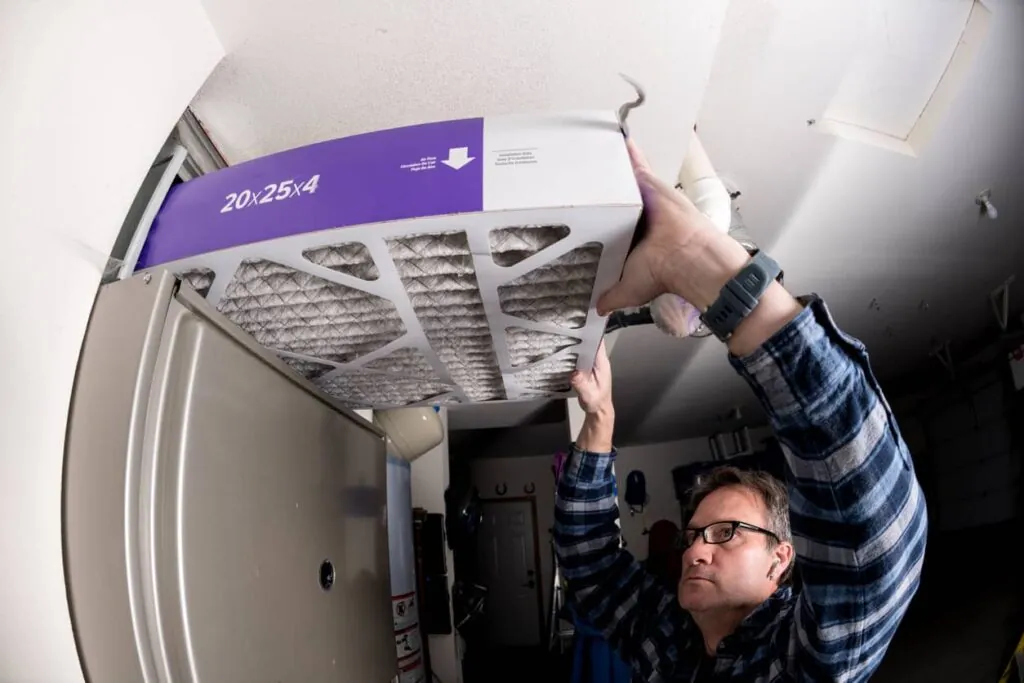
Table of contents
The furnace filter raises a lot of questions, but using it is simple… once you know the main points to follow. In fact, the furnace filter is essential to the air quality in your home and to the proper operation of your heating system, whether it is an electric furnace or a central heat pump. The following will help you see things more clearly and make informed choices:
- Why is the furnace filter important?
- How do you find the right size?
- How often should you replace it?
- What MERV rating do you need?
- Can filters be maintained to make them last longer?
- How can you save when buying?
First, what is filtration?
The main goal of filtration is to improve the quality of your indoor environment by removing particles and microorganisms from the air. To do this, the various heating and cooling systems and units circulate the air. Several air changes are therefore carried out every hour. In addition, depending on your household and your unit, you can choose between different levels of filtration.
The role of the furnace filter
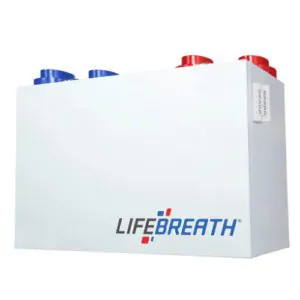
Did you know that your filter is the only way to filter the air in your home? Note: the air exchanger is not a filter. Its job is to bring in fresh air from outside, which is only partially filtered.
So the air blown by your furnace or heating, ventilation and air conditioning (HVAC) unit mixes with the pollutants present and moves through your home. Keep in mind that an unsuitable or dirty filter will harm indoor air quality, especially since the occupants’ breathing or the presence of other harmful compounds, such as formaldehyde, increases carbon monoxide activity.
How do you choose the right filter size?
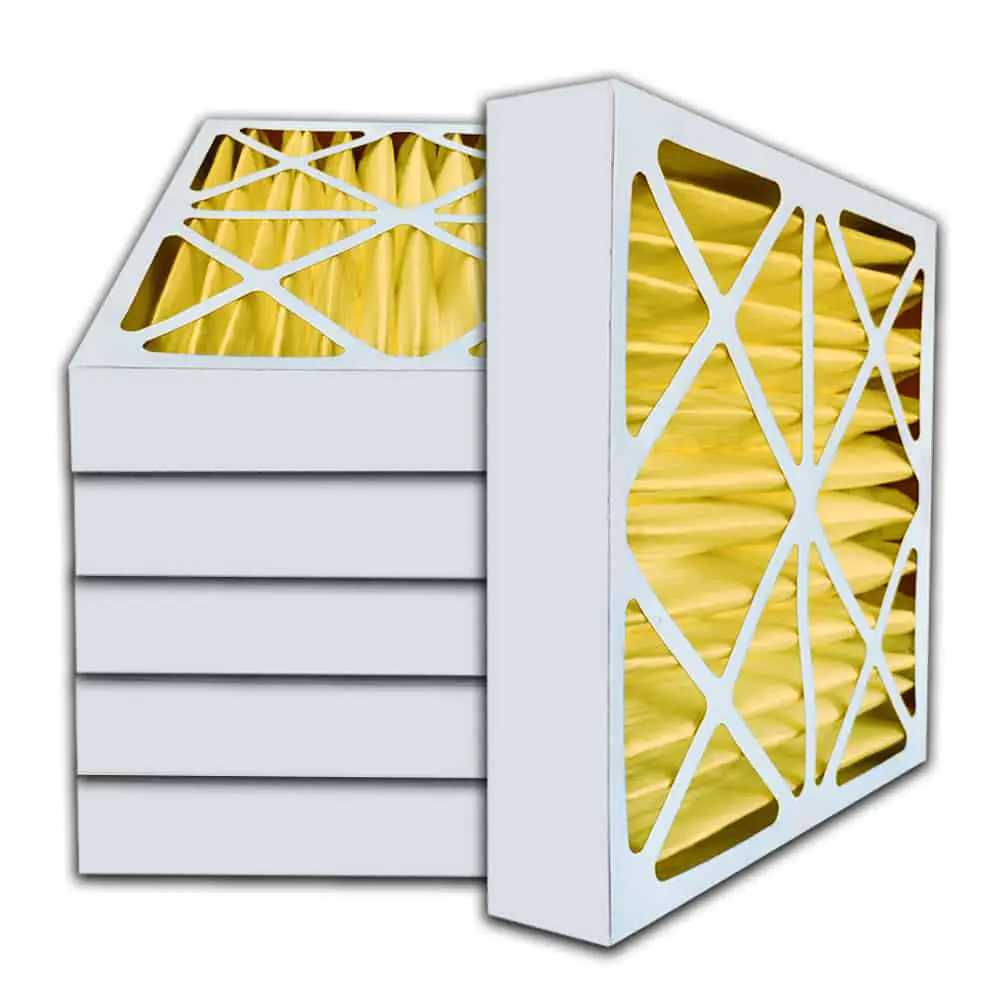
Finding the right size for your furnace filter is the easiest step. When you shop for filters, you see three numbers (for example: a 20x20x2 or 24x24x4 filter). They simply represent the length, width and thickness, in inches, of your furnace filter!
You have two options:
- Measure the filter currently in your furnace;
- Check the manufacturer’s manual for your heating unit.

When and why should you replace your furnace filter?
Did you know? The type of filter affects its performance and lifespan – fibreglass filters, pleated filters, electrostatic filters. Pleated filters are known to offer superior filtration. Their efficiency and lifespan increase with their thickness in inches.
The thickness of your filter also affects how often it needs replacing. Keep in mind that the thinnest furnace filters do not last as long (1-inch filter: change every month. 2-inch filter: change every month or two, up to 6 months).
Other factors will affect how long your filter lasts, such as the quality of your filter, the amount of dust in your home and whether or not you have pets with fur.
Important notice: Besides becoming less effective, a clogged filter affects your unit’s performance. In fact, it could shorten its lifespan and harm its operation, and even cause a breakdown or equipment failure. If in doubt, take a closer look. By examining it, you will know whether it is time to replace it. If you notice a grey, dusty film covering it, change it!
What does the MERV rating mean?
In short, MERV stands for Minimum Efficiency Reporting Value and is rated from 1 to 16. The higher the MERV number, the more effective the filtration. In other words, a filter with a high number will also catch very small particles, while a lower MERV will only catch large particles.
Filters with the highest ratings are reserved for commercial or industrial use. In addition, a very high MERV rating can put strain on your unit. Remember to check the maximum rating recommended for your heating and ventilation system.
- Filters with a MERV of around 8 offer an excellent performance-to-price ratio. Depending on the occupants and their condition (asthma, allergies, young children or seniors…), you can choose the appropriate level of filtration.
Can you make a filter last longer?
Maintenance can extend the life of your furnace filter, if you do it regularly, once a week.
To do so, vacuum the air intake side of your filter without rubbing, to remove the dust. For thicker filters, use your fingers or a spoon to gently clean the inside of pleated filters. You can also take it outside and shake it to loosen the dust.
How can you save when buying?
Buy your filters from companies known for the quality of their filters for a smart purchase! We offer filters in a wide range of sizes. What’s more, our large purchasing volume gets you the best prices on the market!
Another good tip: buy in larger quantities. You will save even more and always have a furnace filter on hand when it is time to replace it. You and your wallet will breathe easier!
For more information about your filters or your heating, ventilation and air conditioning units, contact our specialists.
Get your free quote in 30 seconds — no commitment.
- ✅ 100% free evaluation
- ✅ Fast response
- ✅ 30+ certified employees
- ✅ No subcontractors





Leave a Reply