

How Does a Heat Pump Work in Winter?
Using a heat pump for heating during our cold Canadian winters is a smart and energy-efficient choice. Every year, as winter returns, we face shorter days, dropping temperatures, and rising electricity bills! Fortunately, there are effective ways to reduce heating costs while keeping your home warm and comfortable.
And the best part? Modern heat pump technologies can both heat and cool your home efficiently throughout the year. The following tips will help you better understand how your heat pump works in winter and how to make the most of it for comfort and high efficiency.
Call in the experts on the North Shore
How a Heat Pump Works in Winter
In heating mode, a heat pump reverses its cooling cycle to produce heat. Essentially, it captures warmth from the outside air through the condensation and evaporation of a refrigerant. The compressor then circulates this refrigerant between the indoor and outdoor coils.
At moderate outdoor temperatures (generally down to about –10 °C to –12 °C), the heat pump efficiently extracts heat from the outdoor air and transfers it inside. However, when temperatures drop below that limit, its efficiency decreases because there’s less heat available in the air. That’s why many homes have an auxiliary heating source, such as electric furnaces, baseboard heaters, or another main electric system or electric thermal storage system.
As a safety measure, your heat pump will automatically stop running once it reaches its minimum operating temperature. During defrost cycles, your main heating system also takes over temporarily.
Performance in cold weather
Today’s cold climate heat pumps, however, are much more advanced and designed for harsh northern conditions. These systems are engineered so that pumps work in cold and even extreme cold temperatures, using clean energy instead of fossil fuels. Some models can even heat your home efficiently at temperatures as low as –30 °C.
Did you know? The performance coefficient (COP) of a heat pump is impressive compared to other heating systems. A central heat pump can deliver 2 to 3 times more heat energy than the electricity it consumes, achieving an efficiency of about 230% at –8 °C.
Compared with systems that run on oil, natural gas, or even other electric systems, energy savings can reach up to 50%. By reducing your home’s dependence on fossil fuels, you also lower greenhouse gas emissions — a step toward a greener, more sustainable home.
Choosing the best heat pump for your needs
If you’re wondering which type of heat pump best suits your home, your budget, and your comfort needs, take a look at our Central Heat Pump Buying Guide or our Wall-Mounted Heat Pump Buying Guide.
How to Maximize Your Heat Pump’s Efficiency in Heating Mode
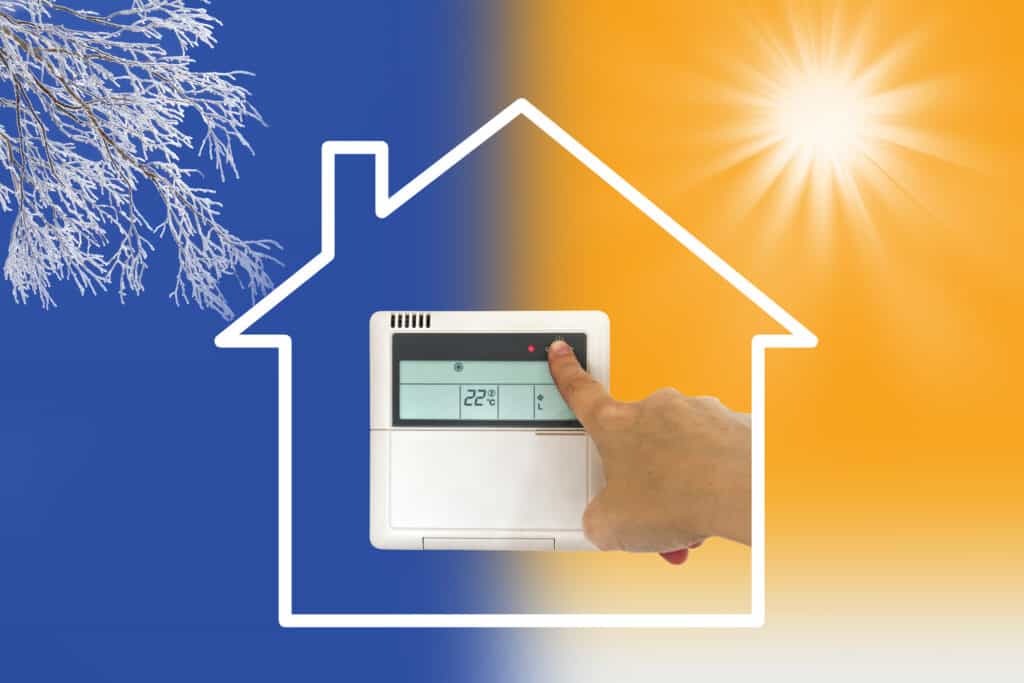
Here’s a useful tip: avoid automatic mode and choose heating mode directly during the winter months. It’s also best to set your thermostat 1 to 2 °C higher than your backup heating system. This ensures that the auxiliary system only activates during extreme cold, maximizing your energy savings without compromising comfort.
Set a constant temperature
Your heat pump performs best when set at a constant temperature. That’s because frequent temperature changes make the system work harder. If possible, simply set your desired temperature and leave it. Or use a programmable thermostat to automatically adjust heating based on your schedule and household routines.
Professional installation
Remember that heat pumps are designed to operate efficiently when properly installed. A professional heat pump installation ensures optimal performance, extending the lifespan of your system and keeping your energy use low.
Heat Pump Maintenance During Winter
Regular maintenance is key to your heat pump’s performance and lifespan. In the fall, thoroughly clean your outdoor unit, making sure to remove any dust, leaves, and debris.
Once winter arrives, keep the outdoor unit clear of snow and ice, as proper airflow is essential. You can also protect your equipment by building a small shelter or installing a protective cover designed for heat pumps.
For the indoor unit, clean or replace the furnace filter regularly according to the manufacturer’s recommendations. The filter may need more frequent attention if anyone in your household has allergies or if you have pets.
A professional maintenance check every 3 to 5 years is strongly recommended. A high-quality, well-maintained heat pump will give you many years of comfort — heating and cooling your home efficiently while contributing to clean energy and lower environmental impact.
Beware of Door-to-Door Sales
If you’re now convinced of the benefits of heating your home with a heat pump in winter, that’s great! But before choosing your model — whether central or wall-mounted — make sure you pick the right contractor.
At Les Entreprises MPH, our certified specialists hold all required licences and never subcontract, ensuring meticulous installation, maintenance, and repair work every time.



Leave a Reply